
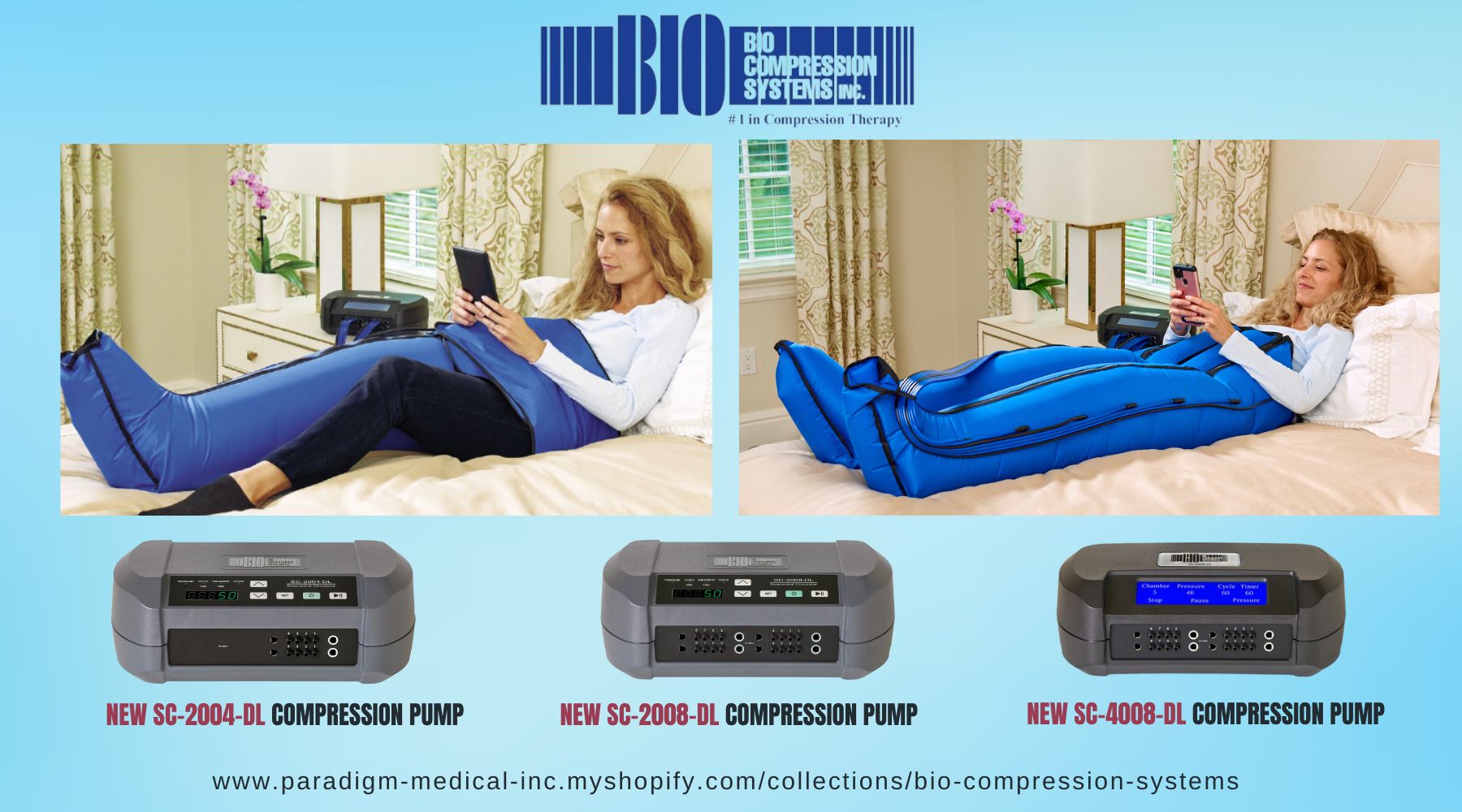
Intermittent Pneumatic Compression can help heal wounds after Leg Ulcer surgery, and facilitate post-op care.
When venous leg ulcers don't heal, surgery is sometimes recommended.
Intermittent Compression Therapy can assist with calf-muscle pump failure, and can reduce edema and promote faster healing.

Ulcers are open skin sores and they can affect any area of the skin. Most often they occur on the legs. Venous Leg Ulcers (VLUs) are caused by problems with blood flow (circulation) in leg veins.
Normally, when a person gets a cut or scrape, the body's healing process starts working to close the wound. In time, the wound heals. But ulcers may not heal without proper treatment.
Venous ulcers may also be caused by other problems with leg veins, such as Varicose Veins or Chronic Venus Insufficiency.
VLUs, caused by chronic venous insufficiency (CVI) and venous hypertension, affect approximately 1% of the population and 3% of people older than 80 years.
Pneumatic Compression Therapy (aka. Intermittent Pneumatic Compression) has been used since the early 1950’s and is widely adopted around the world today. It is the recommended treatment in the clinical practice guidelines of Wounds Canada, the Society for Vascular Surgery, American Venous Forum and Wound Healing Society for the treatment of Venous Leg Ulcers and Arterial Ulcers.
Wounds Canada recommends the use of IPC (Intermittent Compression Pumps) for leg ulcers, wounds and edema. Read their Best Practice Recommendations for the prevention and management of Venous Leg Ulcers here.
A randomized controlled trial study shows that using Intermittent Pneumatic Compression (IPC) reduced by 1.6-fold the median time to complete healing.
READ THE STUDY HERE
CONCLUSIONS
The median time to healing by 9 months was 141 days for the IPC-treated group and 211 days for the control group (P = .031).
The rate of healing was 1.1 mm/d for the control group and 2.3 mm/d for the group treated with IPC (P < .05).
Compared with subjects treated with compression alone, the group treated with IPC reported less pain at each evaluation point for the first 6 weeks.


Intermittent Pneumatic Compression Devices for venous leg ulcers and postoperative treament may be covered by private insurance. Check with your insurance provider!
*As a Class II Medical Device regulated by Health Canada, a prescription is required.